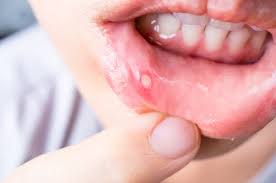


Cold sores are a frequent condition that almost everyone has encountered at some time in their lives. The virus known as herpes simplex virus (HSV) causes these tiny, painful blisters that frequently occur around the lips or on the face.
But how do you know ulcer you have is a normal mouth ulcer or a cold sore? In this blog, we will understand in detail about cold sores and most importantly how we can differentiate them from normal mouth ulcers.
Defining Cold Sores
Cold sores, also known as fever blisters, are tiny, fluid-filled blisters that usually form around the lips, though they can also appear on other parts of the face. The primary culprit behind these sores is the herpes simplex virus, with the two most common types being HSV-1 and HSV-2.
HSV-1 is generally responsible for oral herpes, including cold sores, while HSV-2 is typically associated with genital herpes.
Cold sores are referred to by various names, including fever blisters, oral herpes, or herpes labialis. Irrespective of the terms, they all indicate the same disease caused by the herpes simplex virus.
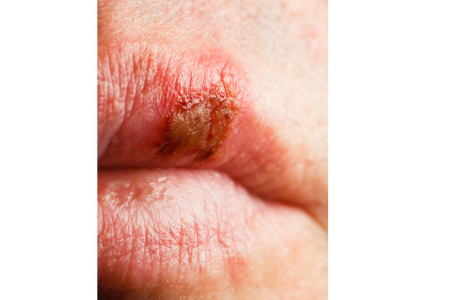
Cold sores may be caused by various factors, they may be external or internal.
External Causes
Internal Causes
Cold sores and mouth ulcers are two different oral conditions, each with its own causes, symptoms, and characteristics. Understanding the differences can help individuals identify and manage these issues more effectively.
Cold sore prevention involves a mix of lifestyle changes and awareness. Here are some tips:
While there is no cure for the herpes simplex virus, certain home remedies can help in relieving symptoms:
Antiviral medications prescribed by a healthcare professional can help manage and reduce the severity of cold sore outbreaks. These medications are most effective when taken at the first sign of symptoms.
While cold sores can be common and annoying, they may be treated with appropriate care and awareness. Individuals can overcome the difficulties of cold sores more effectively by recognizing the causes, practicing prevention, and adopting remedies at home when necessary. If symptoms persist or worsen, it is best to visit a healthcare professional for proper medical management.
Cold sores are a frequent condition that almost everyone has encountered at some time in their lives. The virus known as herpes simplex virus (HSV) causes these tiny, painful blisters that frequently occur around the lips or on the face.
But how do you know ulcer you have is a normal mouth ulcer or a cold sore? In this blog, we will understand in detail about cold sores and most importantly how we can differentiate them from normal mouth ulcers.
Defining Cold Sores
Cold sores, also known as fever blisters, are tiny, fluid-filled blisters that usually form around the lips, though they can also appear on other parts of the face. The primary culprit behind these sores is the herpes simplex virus, with the two most common types being HSV-1 and HSV-2.
HSV-1 is generally responsible for oral herpes, including cold sores, while HSV-2 is typically associated with genital herpes.
Cold sores are referred to by various names, including fever blisters, oral herpes, or herpes labialis. Irrespective of the terms, they all indicate the same disease caused by the herpes simplex virus.
Cold sores may be caused by various factors, they may be external or internal.
External Causes
Internal Causes
Cold sores and mouth ulcers are two different oral conditions, each with its own causes, symptoms, and characteristics. Understanding the differences can help individuals identify and manage these issues more effectively.
Cold sore prevention involves a mix of lifestyle changes and awareness. Here are some tips:
While there is no cure for the herpes simplex virus, certain home remedies can help in relieving symptoms:
Antiviral medications prescribed by a healthcare professional can help manage and reduce the severity of cold sore outbreaks. These medications are most effective when taken at the first sign of symptoms.
While cold sores can be common and annoying, they may be treated with appropriate care and awareness. Individuals can overcome the difficulties of cold sores more effectively by recognizing the causes, practicing prevention, and adopting remedies at home when necessary. If symptoms persist or worsen, it is best to visit a healthcare professional for proper medical management.