

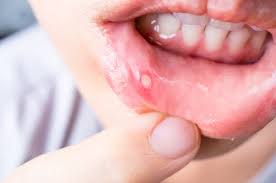
Canker sores, another name for mouth ulcers, are a common oral health problem that many people encounter at some point in their lives. They are small, painful sores that develop inside the mouth. They can form on the inner lining of the cheeks, lips, tongue, gums, and the roof of the mouth.
Brushing hard could cause ulcers. Any kind of physical trauma will easily turn into an ulcer.
While they are generally harmless and non-contagious, oral ulcers can be very uncomfortable and may interfere with daily activities such as eating and speaking. Let’s get deeper and understand the types of ulcers, Preston, and the treatment.
Buccal Mucosa Ulcers (Cheek Ulcers)
A buccal mucosa/cheeks ulcer is an open sore or lesion on the moist inner lining of the cheeks, a sensitive area of the oral cavity.
Labial (Lip)Ulcers:
Labial ulcers are painful, open sores on the lips caused by trauma or infections, distinct from cold sores caused by the herpes simplex virus.
Tongue Ulcers
Tongue ulcers are painful canker sores on the tongue, often benign and healing on their own, causing discomfort during eating, drinking, and speaking activities.
Gingival (Gum) Ulcers:
Gingival ulcers, or gum lesions, are open sores or lesions on the gums, causing pain, swelling, and discomfort, distinct from other gum conditions like gingivitis or periodontitis.
Palatal Ulcers
Palatal ulcers are painful, open sores on the hard or soft palate, affecting eating, drinking, and speaking activities.
Good oral hygiene:
Treatment for ulcers varies based on the cause, such as infections, autoimmune disorders, or systemic illnesses. Seeking expert help is crucial for accurate diagnosis and personalized treatment plans.
If oral ulcers, including those on the palate, tongue, buccal mucosa, or lips, are recurring or not healing as expected, it’s important to seek professional advice from a dentist or healthcare provider. Here are steps to take if you are experiencing persistent or recurrent ulcers:
Whether it’s the discomfort of a tongue ulcer, the pain of a labial sore, or the irritation of a buccal mucosa ulcer, treating these problems as soon as possible assures not just relief from symptoms but also the diagnosis and therapy of any underlying health issues.
The journey to a healthier, ulcer-free mouth involves a collaborative effort between individuals and healthcare professionals, combining preventive measures with targeted treatments for optimal oral well-being.
Finally, prioritize your oral health, pay attention to changes, and don’t be afraid to seek expert help if you have persistent or recurring mouth ulcers. A healthy mouth contributes not only to physical well-being but also to overall quality of life.
Canker sores, another name for mouth ulcers, are a common oral health problem that many people encounter at some point in their lives. They are small, painful sores that develop inside the mouth. They can form on the inner lining of the cheeks, lips, tongue, gums, and the roof of the mouth.
Brushing hard could cause ulcers. Any kind of physical trauma will easily turn into an ulcer.
While they are generally harmless and non-contagious, oral ulcers can be very uncomfortable and may interfere with daily activities such as eating and speaking. Let’s get deeper and understand the types of ulcers, Preston, and the treatment.
Buccal Mucosa Ulcers (Cheek Ulcers)
A buccal mucosa/cheeks ulcer is an open sore or lesion on the moist inner lining of the cheeks, a sensitive area of the oral cavity.
Labial (Lip)Ulcers:
Labial ulcers are painful, open sores on the lips caused by trauma or infections, distinct from cold sores caused by the herpes simplex virus.
Tongue Ulcers
Tongue ulcers are painful canker sores on the tongue, often benign and healing on their own, causing discomfort during eating, drinking, and speaking activities.
Gingival (Gum) Ulcers:
Gingival ulcers, or gum lesions, are open sores or lesions on the gums, causing pain, swelling, and discomfort, distinct from other gum conditions like gingivitis or periodontitis.
Palatal Ulcers
Palatal ulcers are painful, open sores on the hard or soft palate, affecting eating, drinking, and speaking activities.
Good oral hygiene:
Treatment for ulcers varies based on the cause, such as infections, autoimmune disorders, or systemic illnesses. Seeking expert help is crucial for accurate diagnosis and personalized treatment plans.
If oral ulcers, including those on the palate, tongue, buccal mucosa, or lips, are recurring or not healing as expected, it’s important to seek professional advice from a dentist or healthcare provider. Here are steps to take if you are experiencing persistent or recurrent ulcers:
Whether it’s the discomfort of a tongue ulcer, the pain of a labial sore, or the irritation of a buccal mucosa ulcer, treating these problems as soon as possible assures not just relief from symptoms but also the diagnosis and therapy of any underlying health issues.
The journey to a healthier, ulcer-free mouth involves a collaborative effort between individuals and healthcare professionals, combining preventive measures with targeted treatments for optimal oral well-being.
Finally, prioritize your oral health, pay attention to changes, and don’t be afraid to seek expert help if you have persistent or recurring mouth ulcers. A healthy mouth contributes not only to physical well-being but also to overall quality of life.