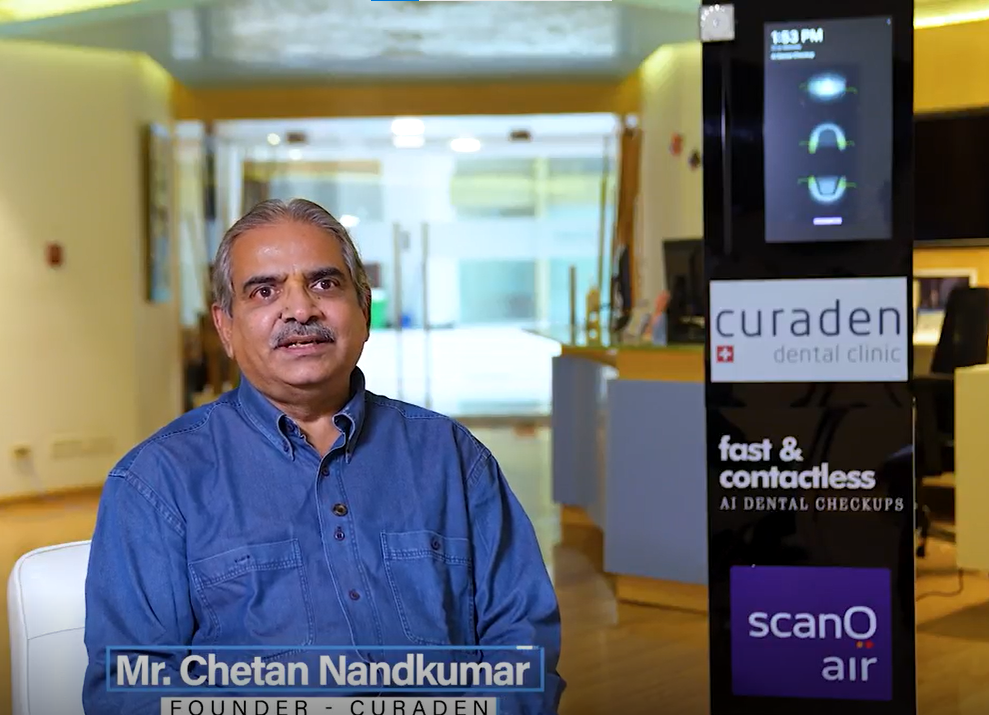
“We wanted to conduct camps, but maintaining hygiene at scale was a real challenge.”
This practical concern shaped the early thinking of the clinic when proposals came in to conduct dental camps at large IT company premises. The numbers were high. Expectations around hygiene were strict. Traditional screening methods made the process difficult to scale safely.
At the same time, the clinic was becoming more focused on prevention, not just inside the clinic, but as part of day-to-day practice.
That combination created a clear need.
A better way to screen early, safely, and at scale.
Dental camps have always been about awareness, but execution comes with limits.
These constraints often reduce camps to basic checkups, with little follow-up or preventive planning.
Patients leave with advice, but without clarity. Clinics carry the risk of compromised hygiene and inconsistent experience.
The intention to reach more people was present.
The method needed to change.
The shift did not start with AI. It started with a question.
How can we bring preventive dentistry to workplaces without increasing risk or complexity?
The clinic wanted something that could help people understand their oral health early, without invasive tools, and without creating anxiety around sterilization.
The focus remained preventive, not diagnostic heavy.
Traditional screening tools like mirrors and probes depended entirely on explanation.
Dentists had to describe what was wrong.
Patients had to imagine the problem.
This created two issues.
Fear of dentists stayed intact because the first interaction still felt clinical and intimidating.
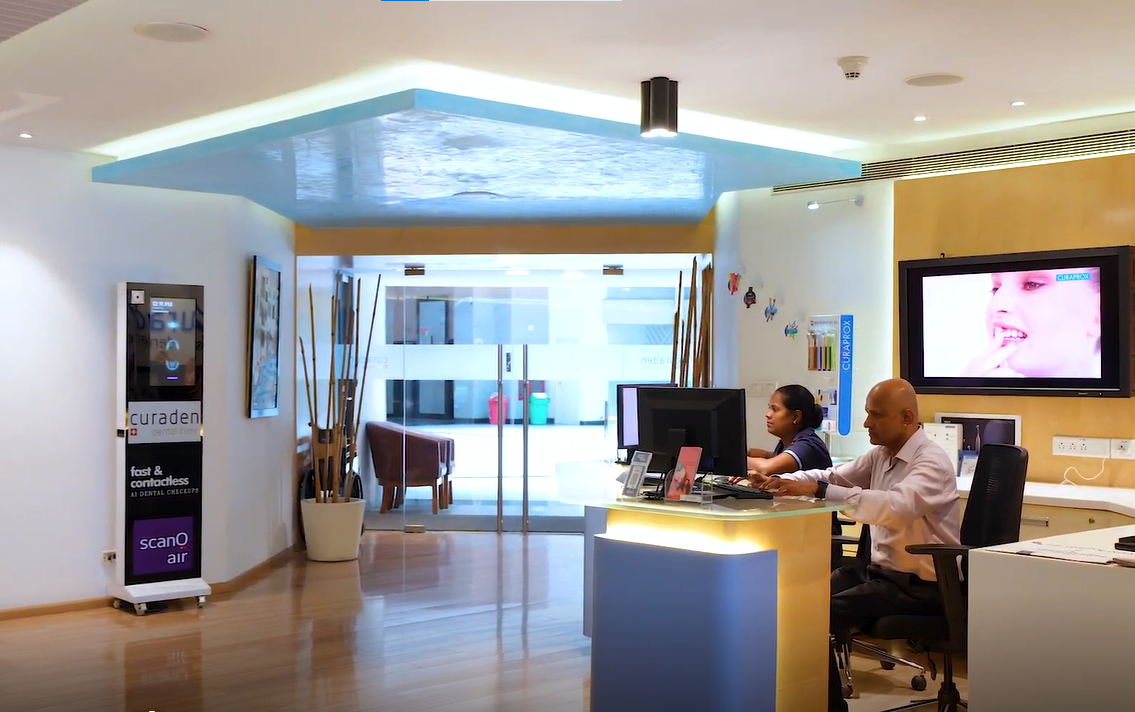
This is where scanO fit naturally into the workflow.
Being contactless, it removed concerns around sterilization during camps. Being visual, it gave patients immediate insight into their oral status.
In many cases, scanO became the first point of interaction. Patients scanned first, received a report, and only then met the dentist.
This changed the journey.
The transition felt easier, especially for people who were already anxious about dental visits.
The impact was visible quickly.
Patients began to understand that treating an issue early could help them avoid painful or elaborate procedures later. This awareness reduced apprehension and made dental visits feel purposeful rather than reactive.
As shared, there was a 20 to 25 percent increase in patients coming back for treatment after introducing AI-based screening.
This was not driven by pressure. It was driven by clarity.
A consistent moment emerged.
Once patients completed the oral scan, they understood what was happening inside their mouth. The problem was no longer abstract. It was visible.
Questions shifted.
From “What are you doing?”
To “What should we plan next?”
That understanding made it easier for patients to cooperate, return, and discuss treatment options calmly.
In both camps and clinic settings, prevention became easier to discuss.
scanO showed the current oral status.
The dentist explained what could happen if issues were ignored.
The patient understood the benefit of early action.
Even people who were initially unsure about AI became comfortable once they saw their own report. The experience itself answered their doubts.
Preventive care stopped being theoretical.
It became personal.
What changed here was not only outreach, but mindset.
AI-based, contactless screening helped the clinic extend care into workplaces without compromising hygiene. It helped patients engage with dentistry without fear. And it helped preventive care begin earlier than pain ever could.
This journey shows how clarity can reduce hesitation, how access can scale responsibly, and how the clinic of the future is built not just inside four walls, but wherever people are ready to understand their health.
That is where prevention truly begins.


