
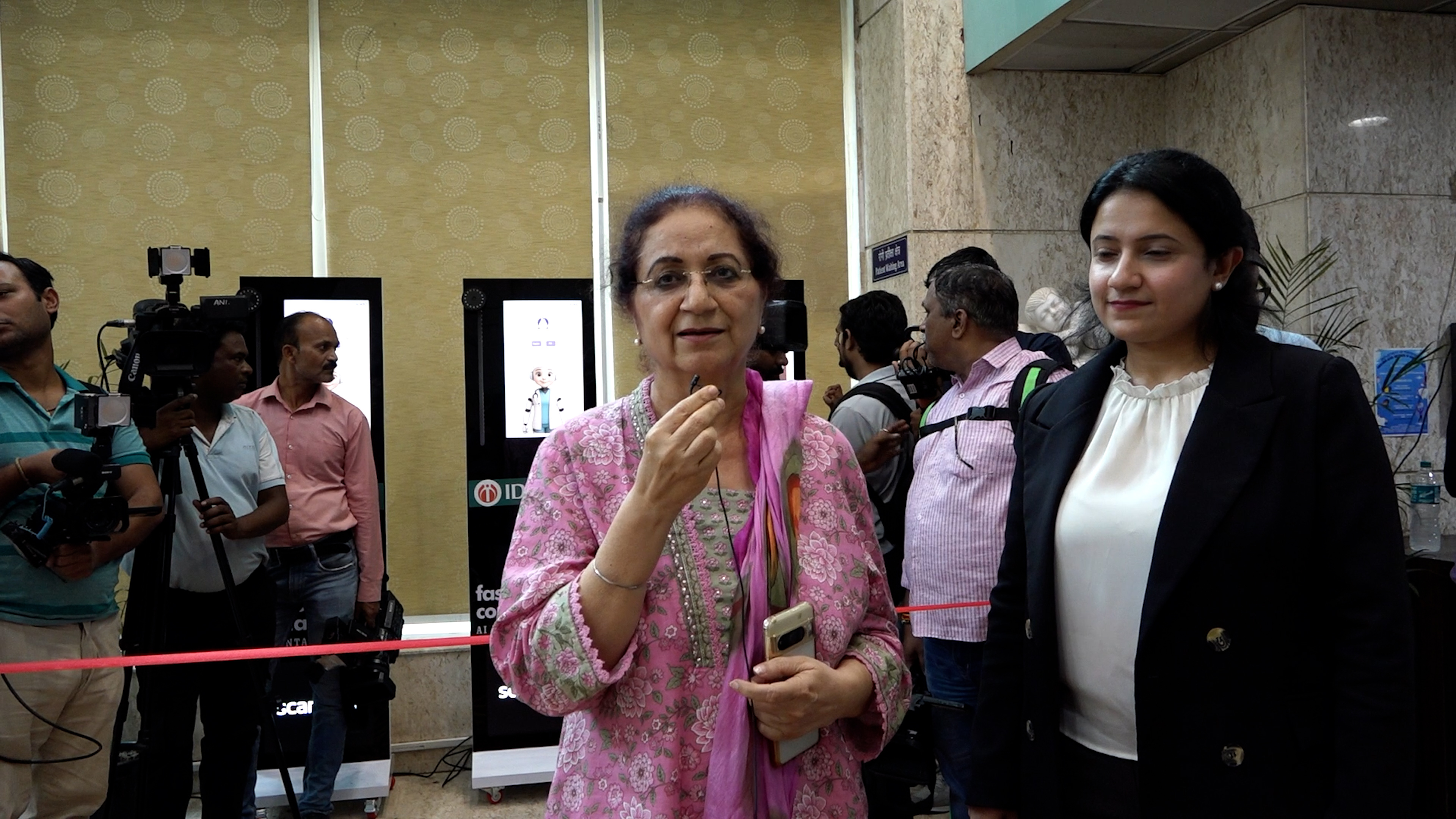
“Today, we are not just launching scanO Air. We are marking a shift in how the next generation of dentists will screen, learn, and lead.”
These words set the tone at the Maulana Azad Institute of Dental Sciences (MAIDS). The moment was not framed as a product launch, but as a signal of change. A shift in how dentistry will be practiced, taught, and taken closer to the public.
This is what an institute of the future begins to look like.
A significant part of dental treatment does not get completed, not because of pain, but because of fear.
As shared during the session, nearly 50 percent of dental treatment is delayed because patients are unsure. They plan to go tomorrow, then the day after. The hesitation comes from not knowing what is happening inside their mouth.
When patients cannot see the problem, fear grows. When fear grows, action is postponed.
Dentistry becomes reactive by default.
At MAIDS, the conversation did not begin with machines. It began with access, education, and early awareness.
This mindset shaped the introduction of AI-based screening, not as a replacement for doctors, but as a way to bring clarity before consultation.
Traditional screening depends heavily on clinical settings.
Patients often learn about their condition only when they reach the dental chair. By then, anxiety is already present. Explanations happen under pressure. Decisions feel rushed.
Without early visibility, patients remain dependent on delayed consultations and incomplete understanding.
That gap limits both prevention and education.
This is where scanO Air, an AI-based, contactless screening system, began supporting the institute’s vision.
scanO Air enables quick, non-contact diagnosis with instant reports. Patients can receive their first report immediately and carry that information to a doctor. The system helps them understand the basic dental problem before treatment planning even begins.
Because the reports are easy to access and understand, patients feel more prepared. The machine does not replace diagnosis. It creates a starting point for conversation.
MAIDS also highlighted a broader use case.
As a research institute, the potential for AI-based screening extends far beyond OPDs. Tools like scanO Air can support large-scale screening camps in public spaces such as malls, airports, railway stations, and bus stands.
Early diagnosis no longer needs to wait for a clinic visit.
This opens doors for population-level screening and preventive outreach, especially in high-footfall environments.
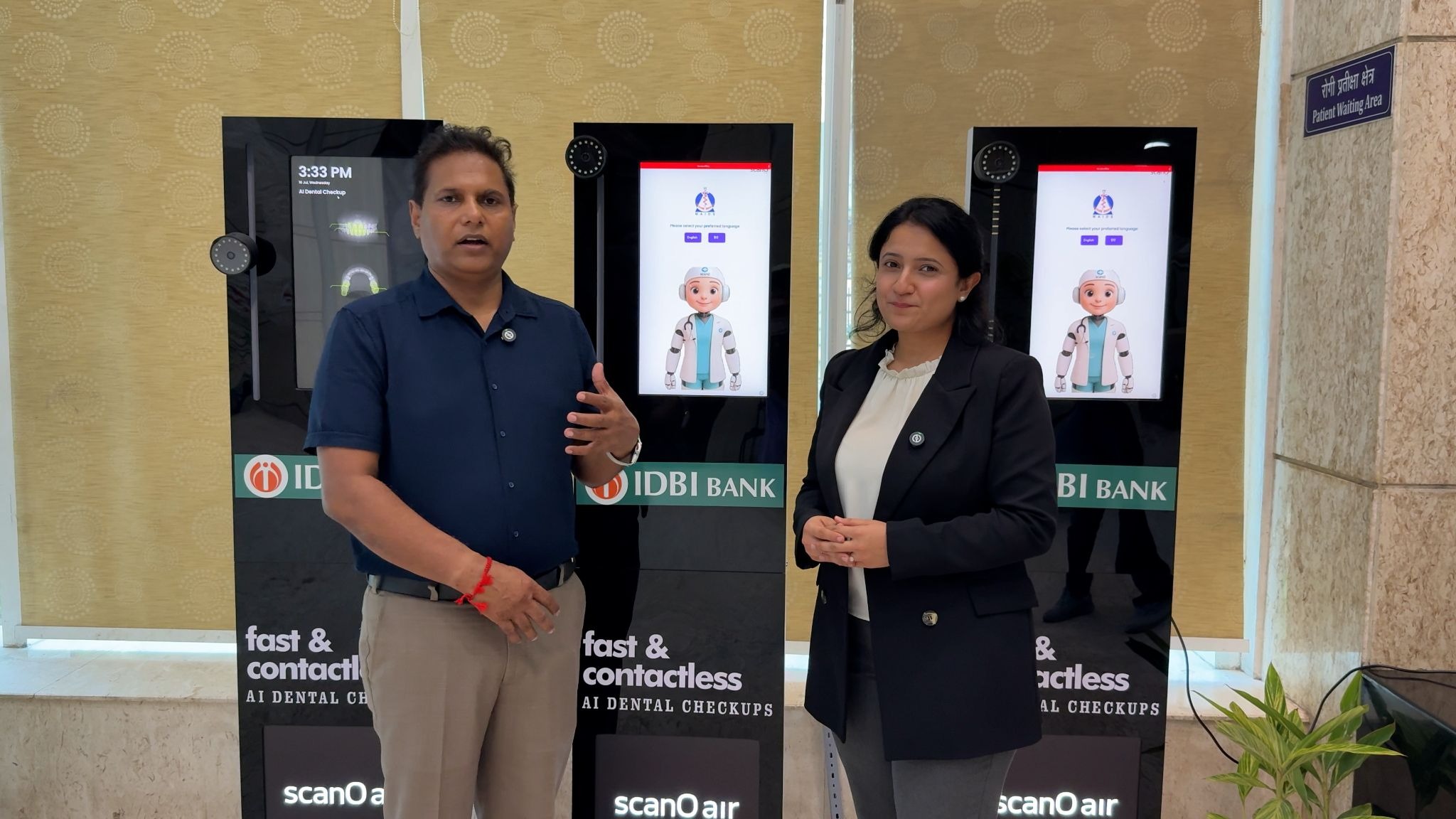
When patients can search, view, and understand what is happening inside their mouth, hesitation drops.
One of the most important outcomes highlighted was accessibility.
AI-based screening tools help bring early diagnosis to the common person, at a cost that makes preventive care possible at scale. For an institution like MAIDS, this represents not just clinical advancement, but a public health milestone.
In this model, prevention is not enforced.
It is enabled.
scanO Air provides early insight. Doctors guide diagnosis and treatment. Patients arrive informed and engaged.
This alignment strengthens both education and care.
At MAIDS, the future of dentistry is not described as something distant.
It is already unfolding.
AI-based screening, contactless diagnostics, and instant reports are shaping how students learn, how institutions conduct research, and how patients engage with oral health.
This journey shows how clarity can reduce fear, how access can improve trust, and how early visibility can shift dentistry from delayed reaction to timely care.
That is what the clinic and the institute of the future in dentistry looks.


