
If you run a dental clinic in 2025, you’ve probably noticed that the job has turned into a strange mix of dentistry and tech management. Between online scheduling requests, digital forms, imaging files, and insurance headaches, it can feel like half the day is spent clicking instead of caring for patients. Luckily, a handful of dental software tools have become the silent heroes in the background—helping clinics stay organized, keep patients happy, and keep the schedule from falling apart.
After talking with clinicians, office managers, and a few vendors over the past year, five categories of software continue to show up as the real “must-haves” for 2025. They’re not trendy. They’re just the tools that consistently save time, reduce confusion, and make days go smoother.
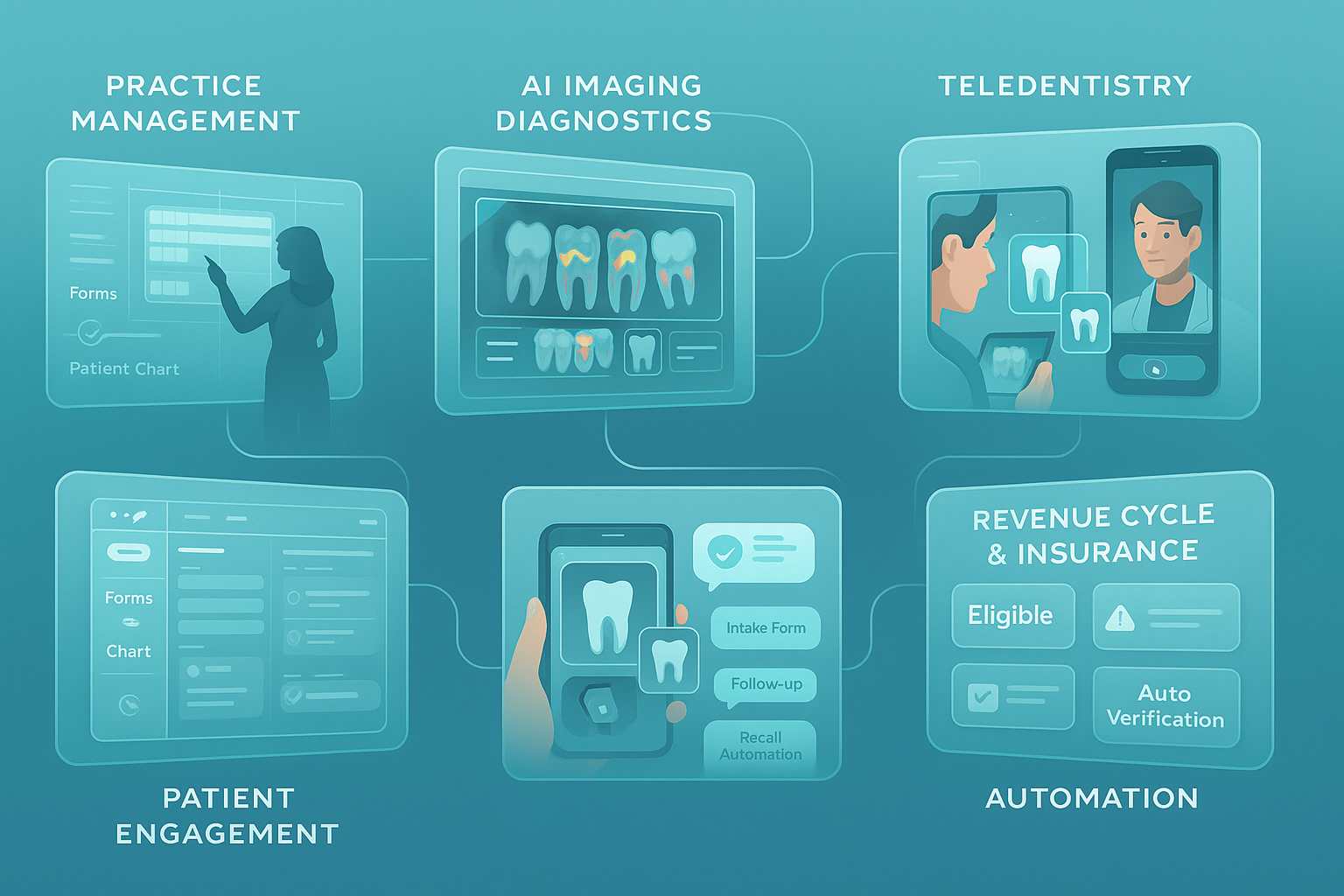
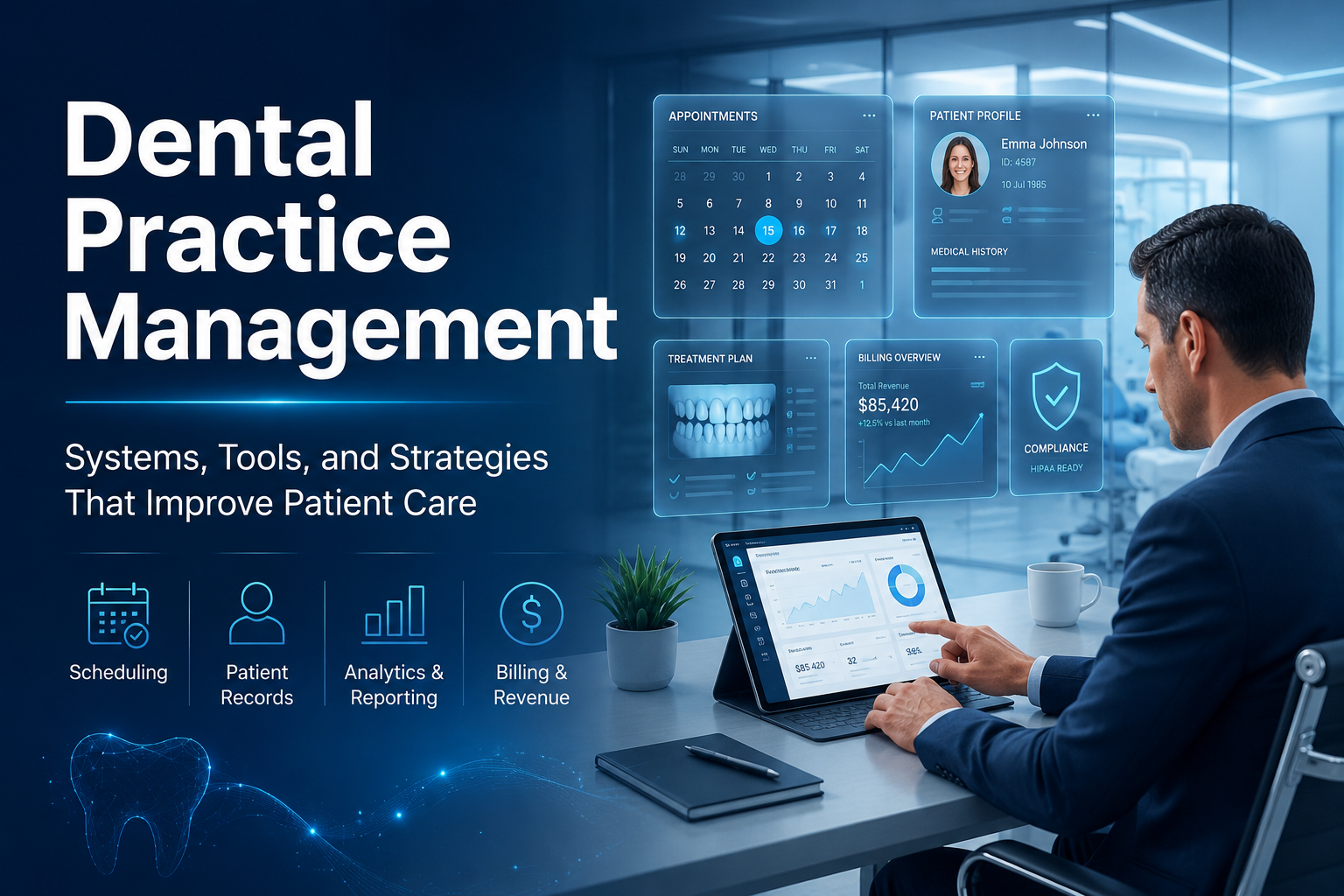
Most offices already have some sort of practice management system, but the newer versions of dental software tools do much more than shuffle appointments around. They connect charts, insurance information, billing, forms, and communication threads into a single workflow.
Practice management systems like Dentrix Ascend, Open Dental Cloud, and CareStack are becoming the “central nervous system” of daily operations.
It’s not glamorous technology, but it’s the kind that makes each day feel less chaotic.
AI gets a lot of hype, but in dental imaging, the benefits are surprisingly practical. The newest systems simply help clinicians see things earlier or more clearly—nothing
The scanO AI app lets people check their oral health using their phone and get a clear, easy-to-read report within minutes. It also connects users to dentists for quick advice or follow-up care, making routine dental checkups far more convenient.
Patients also respond better when they can see what’s going on. Color-coded graphics and side-by-side comparisons make explanations clearer and build trust.
Not every appointment needs a physical chair, and most patients appreciate the option to check in without driving across town. Teledentistry platforms—now common in modern dental software tool —have become the standard for post-op checks, small emergencies, and quick consultations.
Remote care isn’t replacing appointments—it’s simply making the necessary ones easier to manage.
Effective communication tools are not mere reminders but they assist in creating a rhythm with patients. They deal with confirmations, web forms, follow-ups, instructions on post-visit care and the nudge of Hey, your cleaning is due
These small touches add up. Patients feel cared for, and the schedule stays healthier.
Insurance work is one of the biggest time sinks in any dental practice. Verification calls, unclear eligibility, missing attachments—everything seems to slow down the process. Automation tools, now standard components of modern dental software tool, help sort out the mess.
These tools don’t just speed up payments—they reduce the emotional load on staff who used to spend hours fighting with insurers.
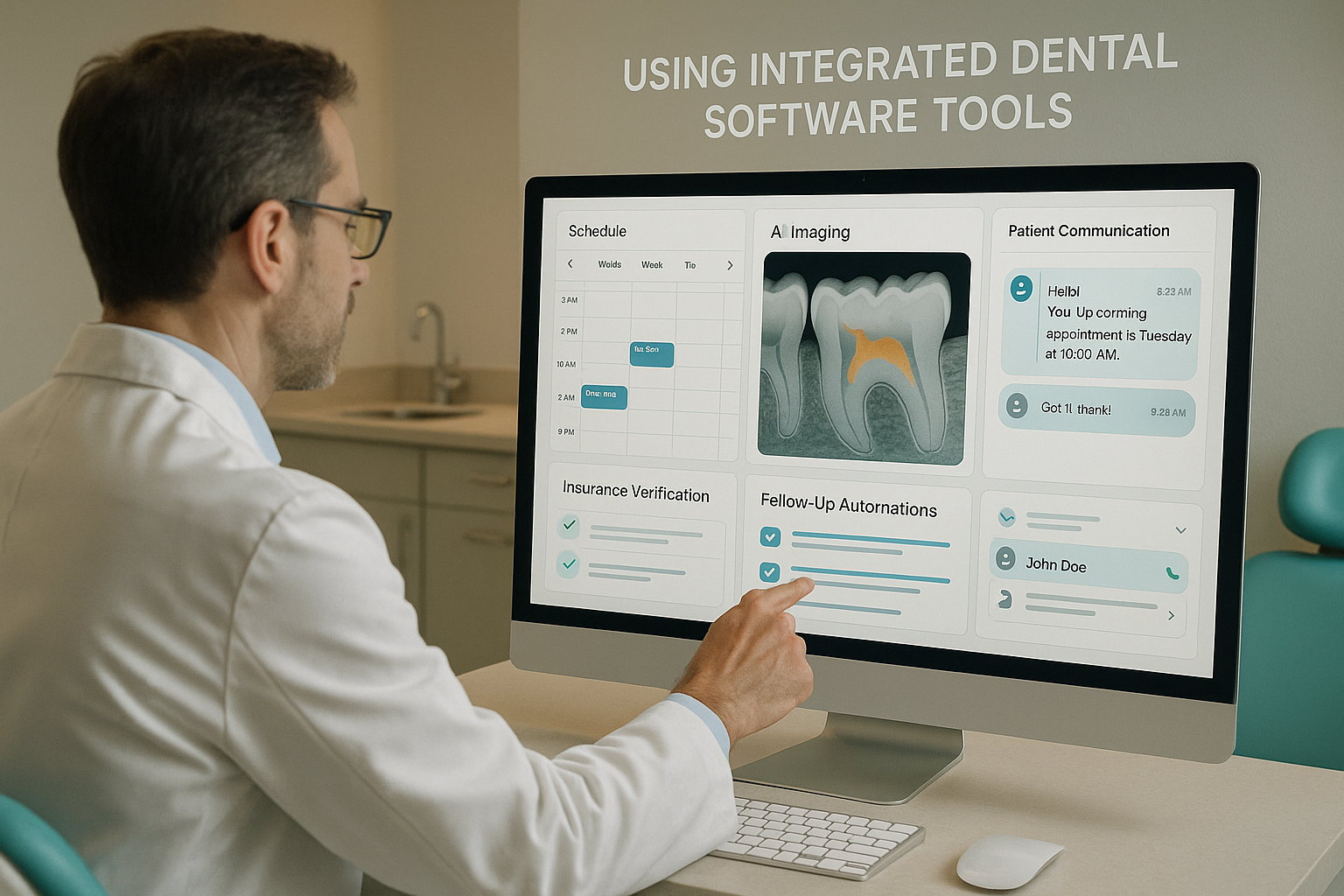
One thing becomes obvious after watching clinics implement these systems: integration matters more than the individual features.
When different categories of dental software tool connect smoothly, workflow changes dramatically.
Here’s a typical integrated workflow:
When everything is connected, the office runs with fewer interruptions and fewer moments of “Wait, did someone already handle this?”
The dental clinics that thrive in 2026 aren’t the ones chasing the latest gadgets. They’re the ones using solid, dependable tools that make daily work easier. These five software categories - practice management, imaging, teledentistry, communication tools, and revenue cycle automation form the digital backbone of a modern clinic.
They don’t replace the human side of dentistry. They simply support it, clearing away the repetitive tasks so clinicians can focus on what truly matters: caring for people.