

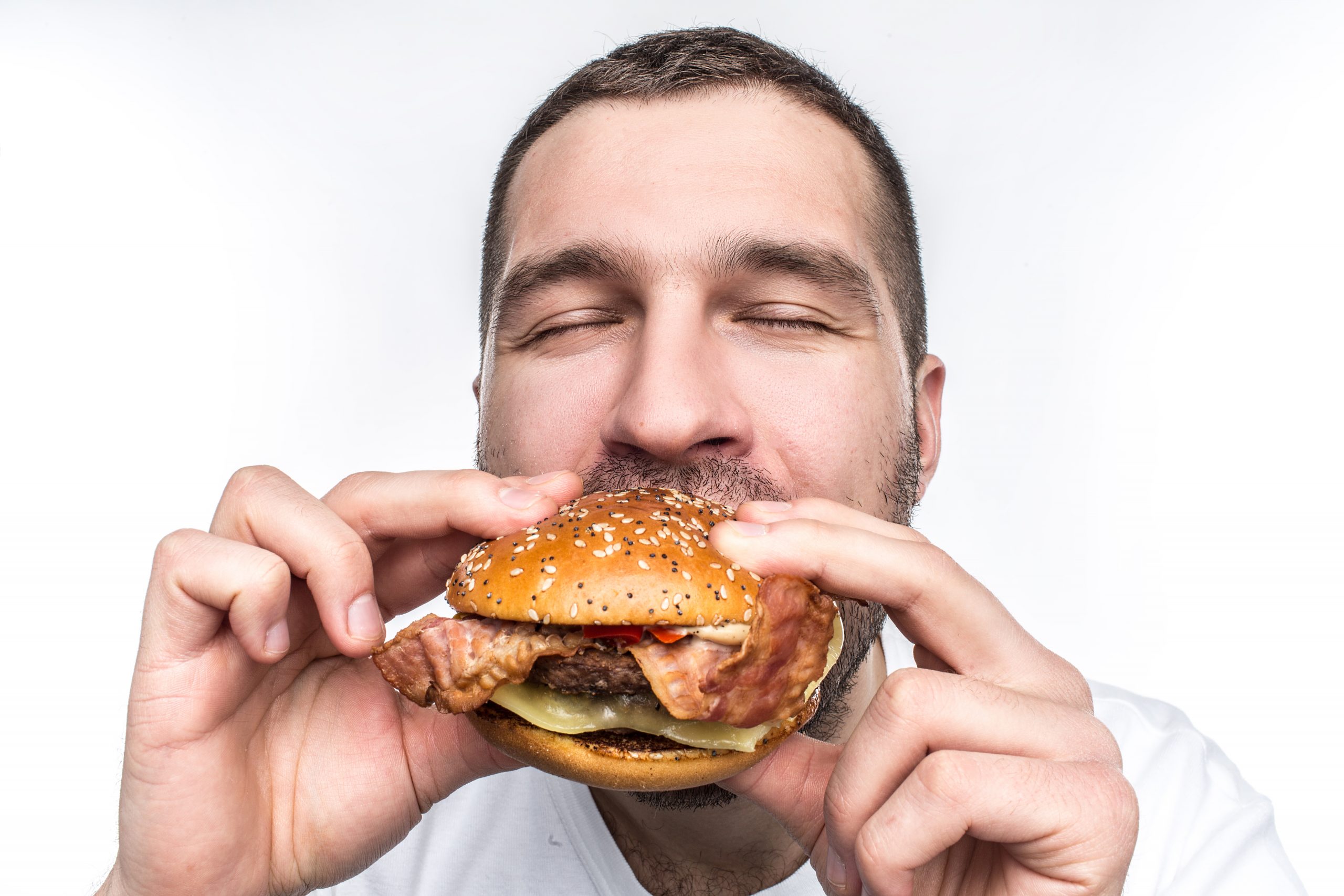
Most of us have a dominant or preferred side of chewing. Unlike being left or right-handed which is usually decided by genetics, chewing is decided subconsciously. But if you chew only on one side you might actually be damaging your teeth and your jaw joint.
Various factors like pain, decay, broken teeth, jaw growth, and muscle movement decide which side we chew. So if any of your teeth is hurting on one side you will subconsciously chew from the other side. Similarly, if one side of your jaw is longer than the other, the chances of you eating from that side become very high.
When you chew only on one side, teeth on that side starts to grind down because of constant friction that happens every time you chew. since your chew only on that side the process is just faster and more aggressive on that side. The other side isn't spared but instead starts to have a lot of plaque and calculus deposits. We also tend to brush our chewing side better leaving the opposite side with poorer hygiene leading to dental problems.
Attrided teeth on the chewing side have exposed dentin layers which make it more susceptible to teeth sensitivity.
Same with the muscles of mastication. The used side gets stronger and toned. The less-used side starts to deteriorate and looks slack. This is why we have a good side and a bad side for taking photographs. But the opposite happens to your jaw.
The jaw joint or the Temporomandibular joint that is just in front of your ear supports and guides the mandible or your lower jaw while chewing. It is the delicate focal point of all your bone, tendons, and muscles. Whenever you chew from one side, the other side of the TMJ bears the stress.
This causes a lot of problems in the long run like facial asymmetry, jaw pain, lockjaw, and loss of facial functional balance.
If you cannot chew from both sides visit the dentist to find out the cause of your pain. Fix any broken or decayed teeth to restore your chewing.
If you cannot chew properly due to missing teeth get new teeth fixed. A lot of options like dentures, bridges, implants are available.
Avoid putting unnecessary pressure on your jaw by chewing on pens, pencils, your nails, etc. Don’t sit for long with a propped chin to avoid TMJ damage.
If you already have jaw damage the first thing you will notice is facial asymmetry. Correction can be done by changing your bite pattern or with braces or Botox injections to reduce the activity of the muscles. In some cases, jaw reshaping surgery might also be required.
Like we always say prevention is the best cure. So make sure you chew from both the side. Brush your teeth regularly to maintain good hygiene.
Be true to your teeth and they will not be false to you.
Highlights
Dr. Apurva Chavan is a dentist by the day and a voracious reader and writer by the night. She loves to fix smiles and tries to keep all her procedures as pain free as possible. Equipped with over 5 years of experience she loves to not just treat her patients but also educate them about dental hygiene and appropriate maintanence routines.After a long day of preserving smiles she loves to curl up with a good book or pen down some of life’s musings. She strongly belives that learning never stops and likes to keep her self updates with all the latest dental news and research.