In the COVID era, dental practitioners have recognized the need to continue providing dental services while minimizing risk to patients and dental healthcare personnel. On completion of patient triage following current protocols, specific dental procedures may have to be undertaken on triaged patients. Present guidelines (by IDA) continue to dissuade dentists from performing elective aerosol-producing procedures in the first place. However, specific dental emergencies may warrant the use of hand pieces or ultrasonic scalers.
STEPS YOU CAN TAKE AS A CLINICIAN:
- EQUIPMENT AND TREATMENT SETTING
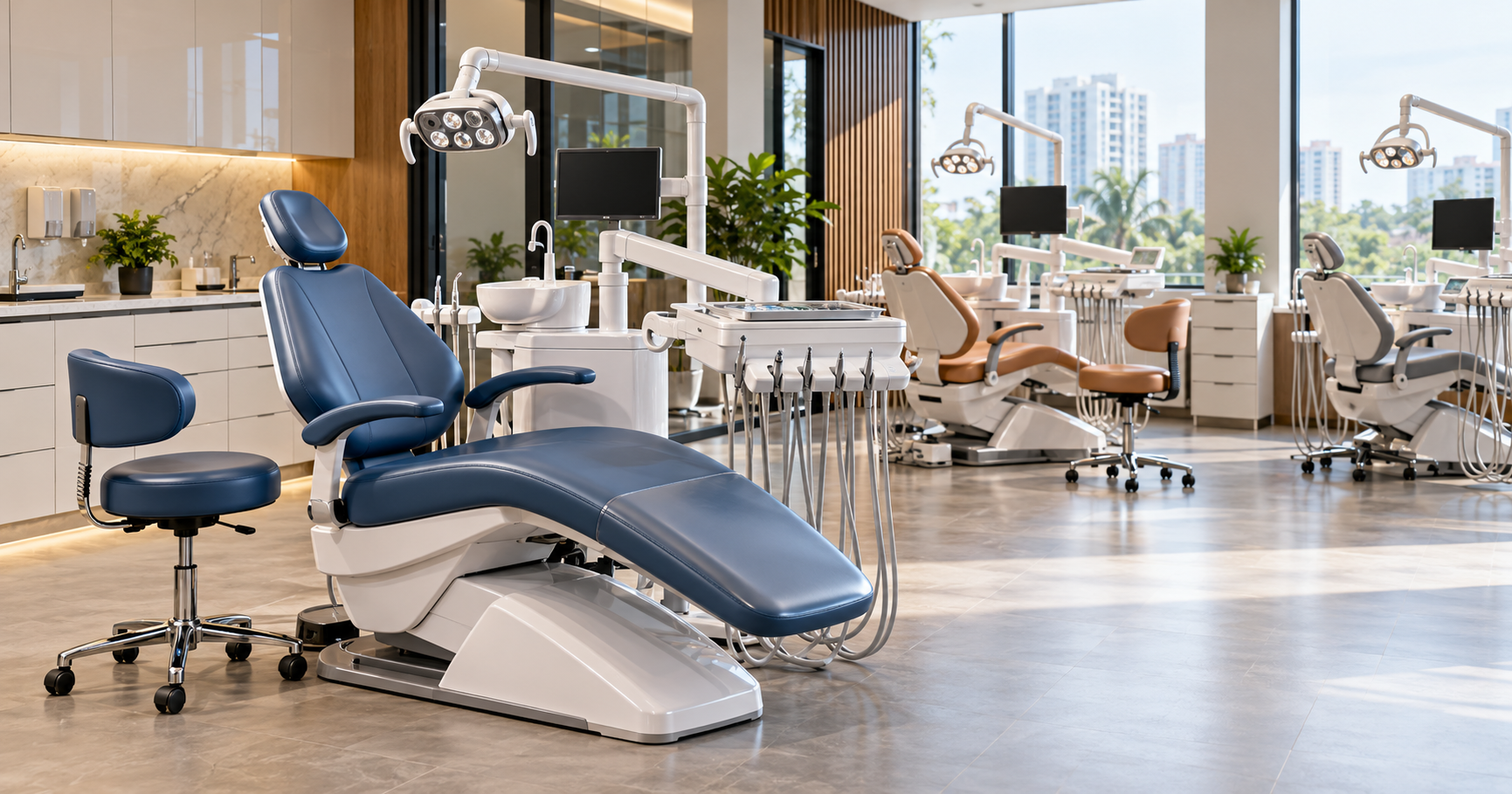
- Limit clinical care to one patient at a time. Ensure that ample time is available for disinfection of all operatory surfaces and sterilization of instruments; between patients.
- Ensure the availability of sterile instruments and supplies. All other pieces of equipment should be covered and protected from potential contamination.
- Opt for disposable or single-use equipment whenever possible; if reused, ensure proper sterilization before each patient.
- For settings with multiple dental chairs, ensure a minimum of 6 feet of space and a physical barrier between adjacent chairs.
- Limit the number of chairside personnel. Visitors should not be allowed.
- All surfaces in the treatment area should be disinfected following universal infection control procedures.
- Frequent disinfection of surfaces using Ethanol (65-71%), Hydrogen Peroxide (0.5%) or Sodium Hypochlorite (0.1%) based surface disinfectants.
- Using air filtering devices, to filter contaminants and suspended particles within the treatment area is a good practice. High Volume Evacuators (HVE) or High Efficacy Particulate Arrestor (HEPA) based filtration units are available; choosing a HEPA unit with a high Clean Air Delivery Rate (CADR) is recommended.
- Ultraviolet Germicidal Irradiation (UVGI) can be used alongside regular fumigation of the clinic.
- Mechanical or Ultrasonic washers are recommended for washing dental instruments after each patient.
- RECOMMENDED CHANGES IN TREATMENT PROCEDURES
- Using rubber dams and implementing four-handed dentistry with high vacuum suction is recommended for aerosol-generating procedures to minimize splatter.
- Extra oral radiographs (OPG/CBCT) should be chosen over intraoral ones (IOPAR/Bitewing), which, if used, must have a sensor/holder with a double barrier.
- Choose Atraumatic Restorative Treatment (ART) over other restorative procedures, whenever possible.
- Perform Endodontic treatment with single use files and rubber dam isolation.
- HAND HYGIENE
- Hand hygiene should be practiced using hand sanitizers or liquid soaps at the following stages of infection control, to minimize the risk of infection:
1. Prior to, and following each treatment session.
2. Before and after removal of PPE gear.
3. After the washing of dental instruments.
- Mild Liquid soaps are recommended, bar soaps are best avoided.
- The 7 Step Hand Wash Technique by WHO is recommended.
- Ensure adequate drying of hands using single use paper towels, since wet surfaces can cause greater transfer of microorganisms.
- DONNING PPE GEAR
- Before entering a patient room or care area:
1. Perform adequate hand hygiene steps.
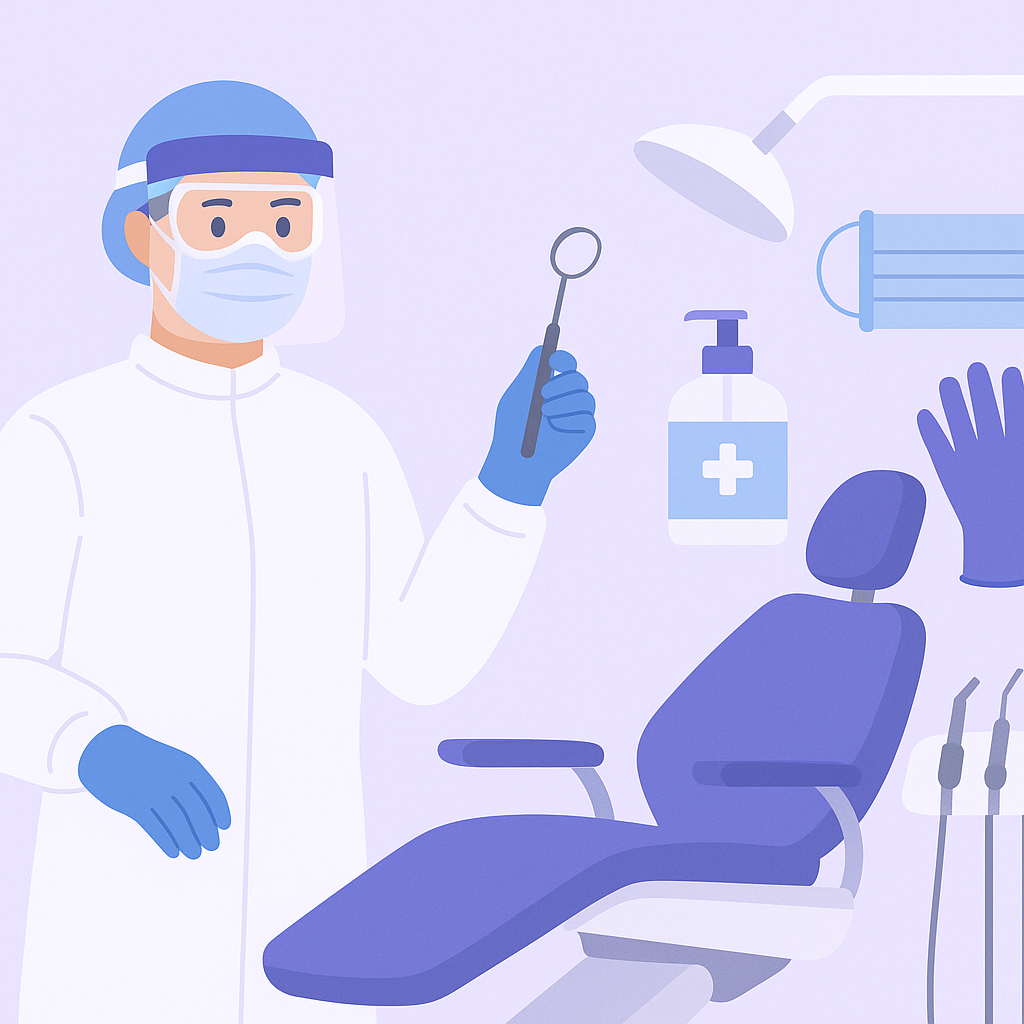
2. Use a clean gown, or any protective barrier (including shoe covers, head caps, etc.) that covers personal clothing, shoes, hair and skin likely to be exposed to blood, saliva, aerosols or other body substances.
3. Gowns and protective gear should be changed every time they are soiled.
4. A surgical mask or respirator should be used.
5. Mask must be secure in its place, adequately covering external nares.
6. Respirator straps should be placed according to manufacturer instructions, and an external seal check should be performed.
7. Use adequate eye protection; protective eyewear without any gap between glasses are recommended.
8. Apply the first layer of clean, non-sterile gloves. Torn or soiled gloves should be changed.
9. Gloves should be changed if they become torn or heavily contaminated.
10. Apply the second layer of sterile surgical gloves prior to treatment commencement.
- After completion of dental care:
1. Remove gloves.
2. Remove gown and other protective barriers; discard them in the appropriate container.
3. Cloth gowns should be adequately washed after each use.
4. Exit the treatment area.
5. Perform hand hygiene.
6. Remove protective eyewear, and disinfect or discard them as per instructions from manufacturer.
7. Remove surgical mask or respirator. Ensure that their exposed surfaces are not touched. Discard or disinfect them as per manufacturer instructions.
8. Perform hand hygiene.
- INSTRUCTIONS TO BE PROVIDED TO PATIENTS
- Ensure that patients and visitors wear their own facemask throughout their stay in the facility. If they do not have a facemask, they should be offered a facemask or cloth face covering, as supplies allow.
- Educate patients to perform hand hygiene immediately before and after any contact with their facemask.
- COVID 19 Treatment consent form should be duly explained to and signed by every patient opting for dental treatment.
- Pre Procedural Mouth Rinses (PPMR) with an antimicrobial product like: Chlorhexidine Gluconate (0.2%), Hydrogen Peroxide (1.5%), Povidone Iodine (0.2%) or Cetylpyridinium Chloride may reduce the level of oral microorganisms in aerosols and splatter generated during dental procedures. Ask patient to rinse their mouth with a PPMR for 1 minute.
- HIGHLIGHTS:
1. Consider upgrading your clinical setup and inventory, to stay well equipped for the pandemic.
2. Form an effective schedule for patient appointments, to adjust for longer disinfection times.
3. Opt for safer, non-aerosol producing treatment alternatives whenever possible.
4. Educate the patient about COVID appropriate behavior, and commence treatment only after acquiring informed consent.